Author: zinnia

  • Soda Fizz

    Soda Fizz

    “Why Does Soda Fizz? The Science Behind Carbonation”

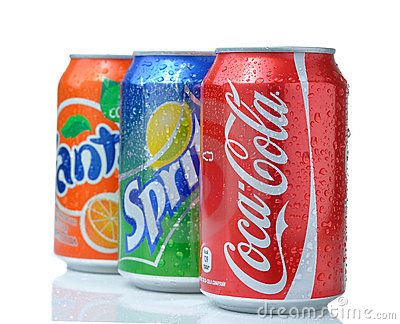
    That refreshing pop and tingle of soda comes from carbon dioxide (CO2) dissolved under pressure. Here’s how it works:

    Bottling Process: CO₂ gas is forced into cold liquid (it dissolves better at low temps).

    When You Open It: Pressure drops, and CO₂ escapes as bubbles—a process called nucleation (why ice or scratches in a glass make it fizz more!).

    Fun Fact: The average soda has 2.5–3.5 volumes of CO₂—that’s enough gas to inflate a balloon!
  • Beer

    Beer

    “The Surprising History of Root Beer”

    Tuesday, June 24

    Free Workshop

    Did you know root beer was originally make as a health tonic? In the 1800s, pharmacists brewed sassafras root, sarsaparilla, and herbs like wintergreen to create a “small beer” believed to purify the blood. By the late 19th century, carbonation was added, and brands like Hires Root Beer (1876) turned it into the sweet, creamy soda we love today.

    Fun Fact

    Modern root beer to longer contains sassafras (the FDA banned it in 1960 due to safrole, a potentially harmful compound), but flavors like vanilla, anise, and molasses keep it delicious!

  •  Refreshing Soda Mixology Recipes to Try this Summer

     Refreshing Soda Mixology Recipes to Try this Summer

    Who says soda is just for drinking straight from the can? With a little creativity, you can turn your favorite bubbly drinks into show-stopping mocktails and cocktails perfect for parties, picnics, or just chilling at home.

    Modern root beer is caffeine-free and gets its bold, creamy taste from:

    Vanilla & wintergreen

    Carbonated water

    Sassafras or sarsaprilla

    Get directions